


Well, here we are, Christmas just around the corner, all the trees and decs up, carol services and Nativity plays in full swing, festive markets buzzing, and that lovely warm fuzzy glow that comes with the time of year – in spite of the wind and the rain! We love all those traditions, along with some of the more recent ones, but spin back a century or two and some were quite bizarre! Let’s delve into some of the weird and wonderful practices played out in the West Country past and present.
We’ve all got our own ways of celebrating Christmas, family traditions that are passed down from generation to generation, some established more recently, helping to make this time of year so special; remembering to do those things, keeping the customs alive. Down here in the South West there are time honoured customs that go back hundreds of years, a lot of them have their roots in nature focussed Pagan rituals, others are downright weird!
We’re not convinced that many of these will see much of a revival, but come, let’s spin back to times of yore and have a brief look at some of the well-known West Country traditions associated with the festive season.
Wassailing

You’ve probably heard of wassailing, especially if you’ve got connections with one of the cider producing regions of the UK, where there’s been quite a resurgence in recent years. ‘Wassail’ comes from the Old English ‘waes hael’ meaning ‘be whole’ or ‘good health’ – the practice was to bless the apple trees for a good harvest, awaken the tree spirits and celebrate the coming spring. Traditionally this was done on Twelfth Night (January 5th) or Old Twelfth Night (January 17th).
Folk gathered around the oldest tree in the orchard and made an almighty din to scare away evil spirits; there was singing and shouting, banging of pots and pans, even firing shotguns into the branches. Music was played and there would be dancing, offerings were given to the tree by way of cider poured on its roots and cider-soaked toast placed in the branches. Then a wassailing bowl of hot spiced punch was passed around for all to drink a toast. Sometimes the festivities would continue with a procession from house to house and to other orchards.
Wassailing has seen a modern revival, with people returning to ancient customs and wanting to be more connected to the land and the heritage of where they live; no doubt the rising interest in craft ciders has helped, with more orchards being restored – the associated rituals make for good community events, getting people out of their homes on a dark winter’s night to take part in a time honoured tradition.
Burning the Ashen Faggot

This is the West Country version of Burning the Yule Log – an ashen faggot is a big bundle of ash sticks tied together to form a ‘log’ by thin bands (withies) of hazel or willow. Traditionally, on Christmas Eve, the faggot is placed on the fire and as each withy breaks the assembled company raise a big cheer, a fresh jug of cider is brought out and toasts are drunk.
This started as an annual event in farmhouses, with labourers and servants invited to watch the burning of the ashen faggot. The belief was that this would bring good luck for the coming year, or, in Christianity, it commemorated the fire that kept the baby Jesus warm after his birth. Food and drink was provided by the farmer and there was much merrymaking; it was a way for the farmer and his wife to thank their workers, so essentially an early rural form of the office party!
Burning the ashen faggot is believed to date back to Saxon times and doesn’t seem to have ever completely died out, being a big part of Christmas Eve festivities in several pubs in Devon, Dorset and Somerset – like The Harbour Inn at Axmouth and The Luttrell Arms in Dunster. The Squirrel Inn near Winsham and The Digby Tap in Sherborne hold their ashen faggot ceremony on 6th January.
Mummers Plays
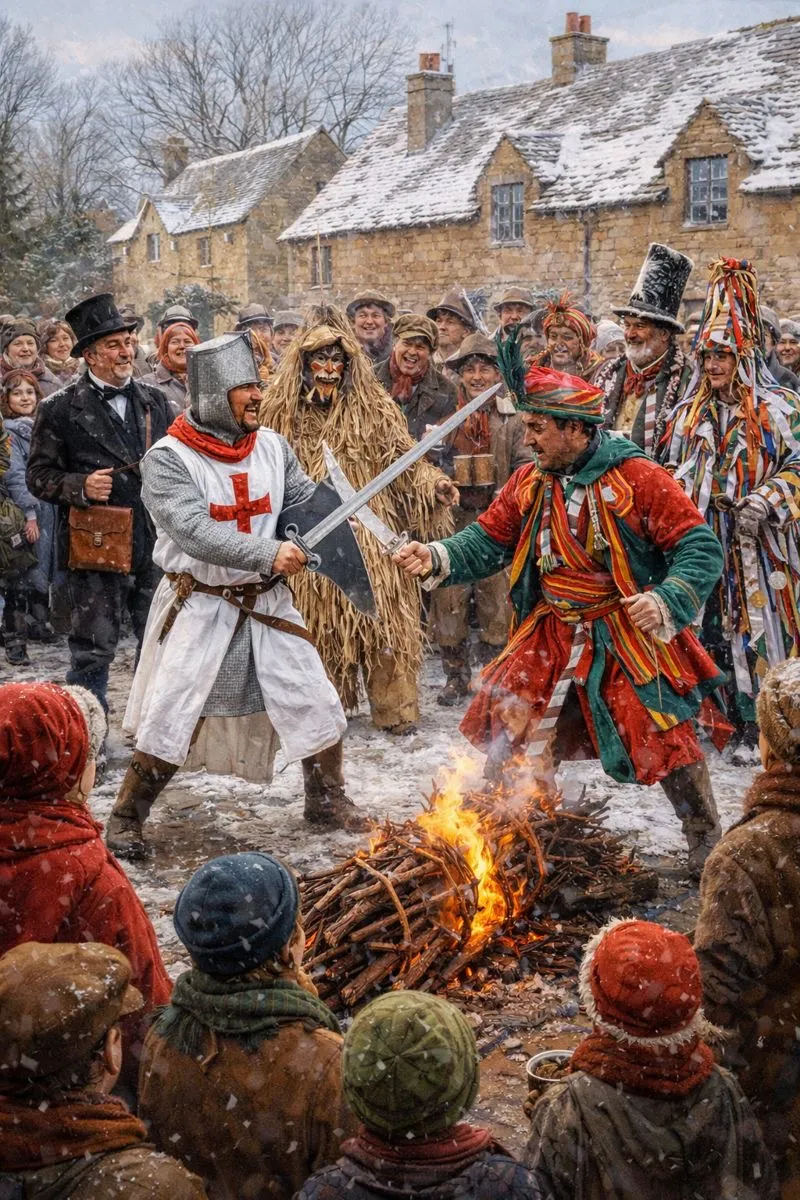
Mummers Plays are traditional folk plays performed during the 12 Days of Christmas, a practice that can be traced back to the Middle Ages, peaking in the 18th and 19th centuries, when the ‘actors’ were usually poorly paid labourers who performed in return for food, drink and money.
The plays follow a familiar theme – a hero fights a baddie, the hero is killed and brought back to life with a magical cure; the symbolism is that of good versus bad, and rebirth – the renewal of nature following the long dark winter. Characters took the form of Father Christmas (the presenter), St George (the hero), a Turkish Knight (the baddie), a Doctor, and others like a trickster or comic character, a horse (‘oss), a Green Man, and the Devil.
There has been something of a revival of Mummers plays from Folk Societies and Morris Dance sides, often replacing traditional characters with modern day politicians and celebrities. The plays can be very entertaining - comical, musical and always satirical, to the point of being absurd.
Thomasing
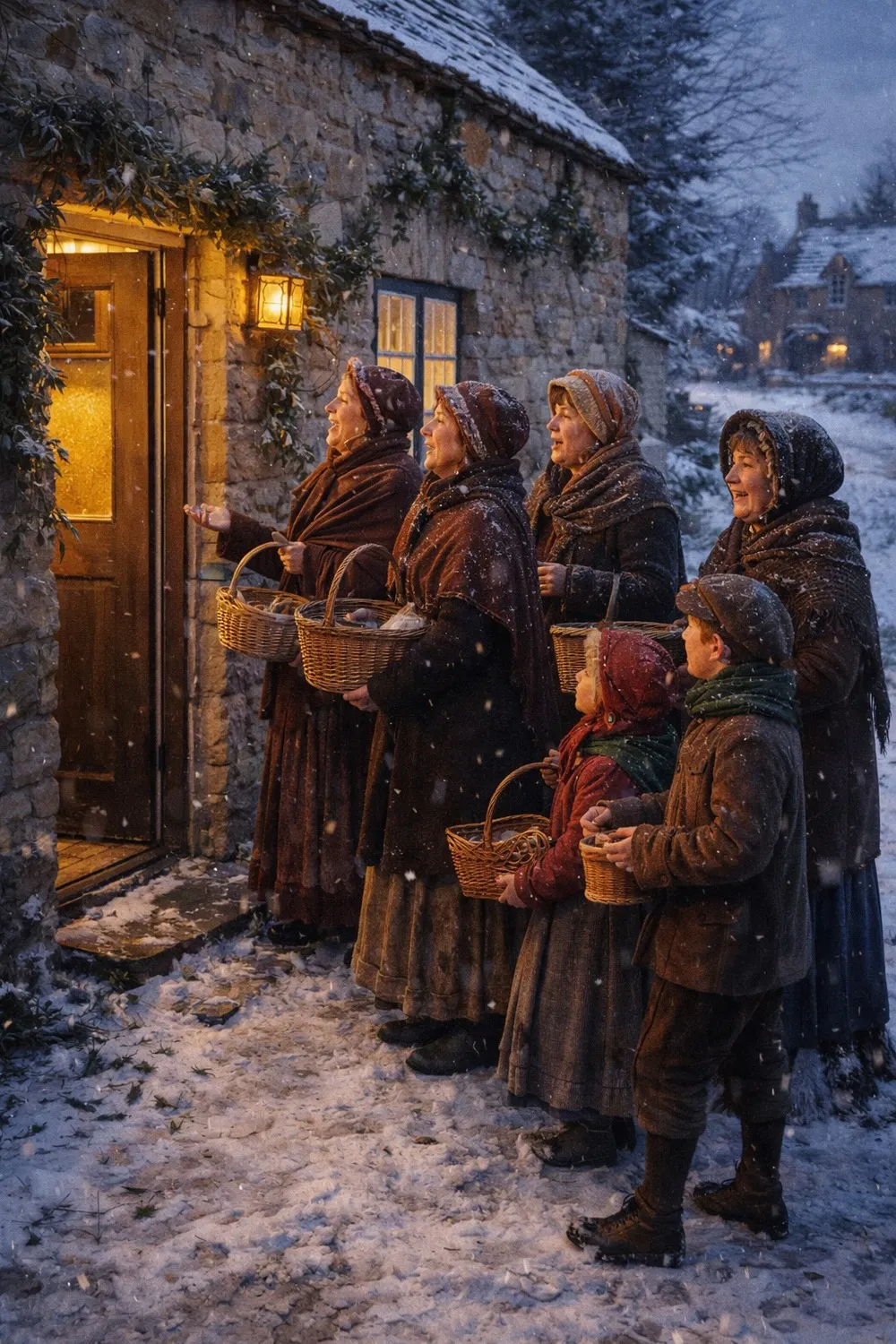
Thomasing, or ‘Mumping’ is a strange Old English tradition that didn’t even survive into the 20th century - one that’s unlikely to make a comeback! Very appropriately, on St Thomas’s Day, which is 21st December, the poor and less fortunate people of a community, usually elderly women or widows, would go ‘a-Thomasing’, which meant visiting the wealthy homes in the neighbourhood asking for food or alms. The kind of thing ‘Mumpers’ could expect to be given was meat, bread, cheese, dried fruit and flour, or even small sums of money, which all went a long way to helping them through the Christmas festivities and the cold winter months.
Boxing Day Hunt
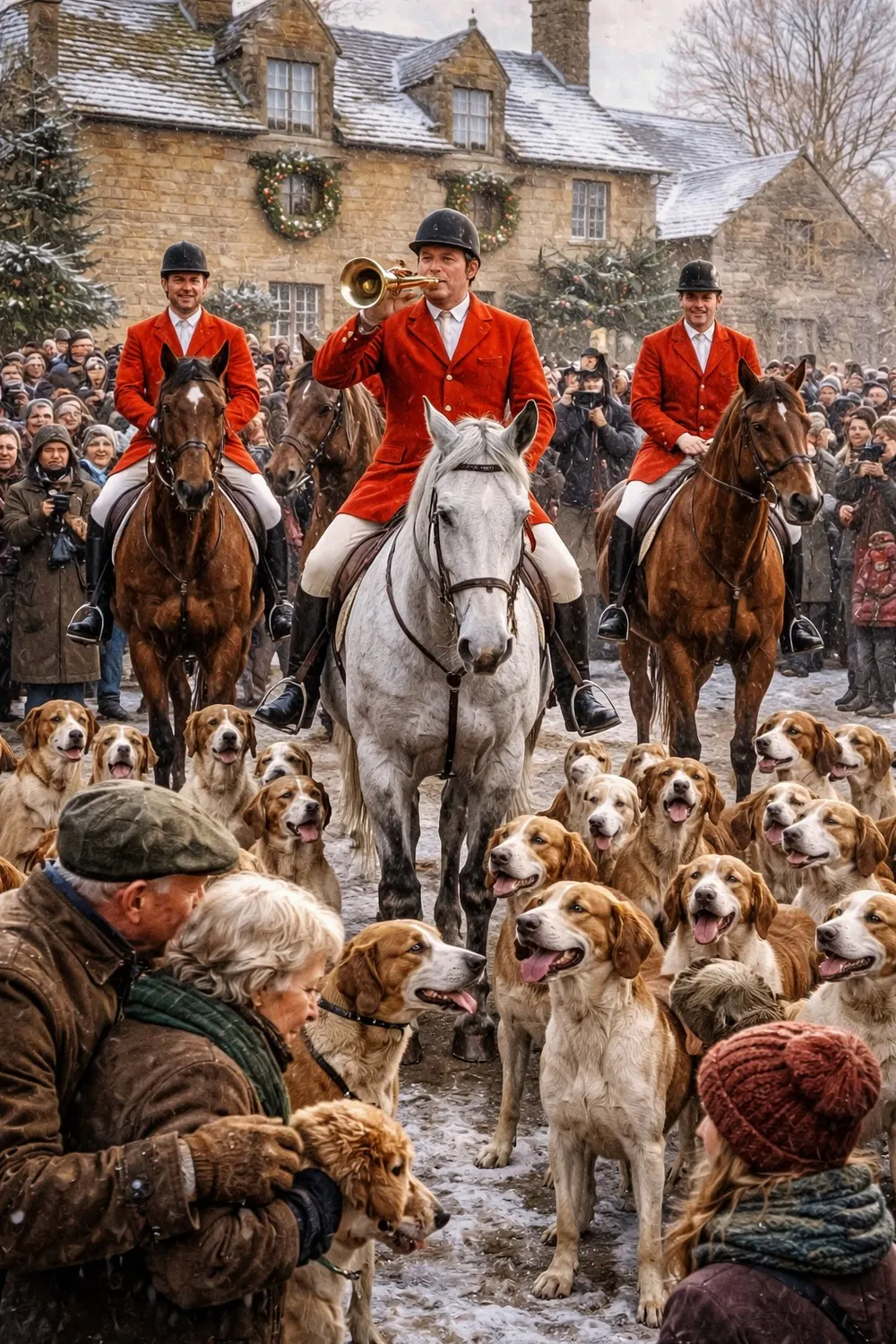
The Boxing Day Hunt is a tradition that goes back centuries, and some would say it’s a big feature on the calendar in rural communities. The local hunt comes out in force with their pack, assembling in town and village squares for a tipple before setting off on a hunt; crowds of people come out to watch and show their support, some come for the opposite reason. Since the 2004 ban on hunting wild animals with dogs, the Boxing Day Hunt is focused on a ‘trail hunt’ rather than fox hunting.
Lock Up Your Redheads!
Now this, is bonkers! People in remoter parts of the West Country seem to have had it in for red heads, or ‘hurd-yeds’ as they called them in their vernacular, even up until the 1950s! The belief was that the pixies had red hair, and they were not a well-favoured bunch, always up to mischief, misleading weary travellers, playing tricks on human folk. Oh yes, they really did believe in pixies, to the point of never wearing green in May because that’s the colour of the pixies and that’s the month they are most powerful!
Back then, a lot of country folk were very superstitious about the first person you saw after New Year’s Eve; a dark-haired handsome man was fine, but certainly not a red-haired woman because that would not be fortuitous for the coming year. So, in some villages red haired women were shut in their cottages from 30th December to the 2nd January; if by chance you did meet one in the lanes, you must cross your fingers for luck. Stranger and stranger!
Food and Drink
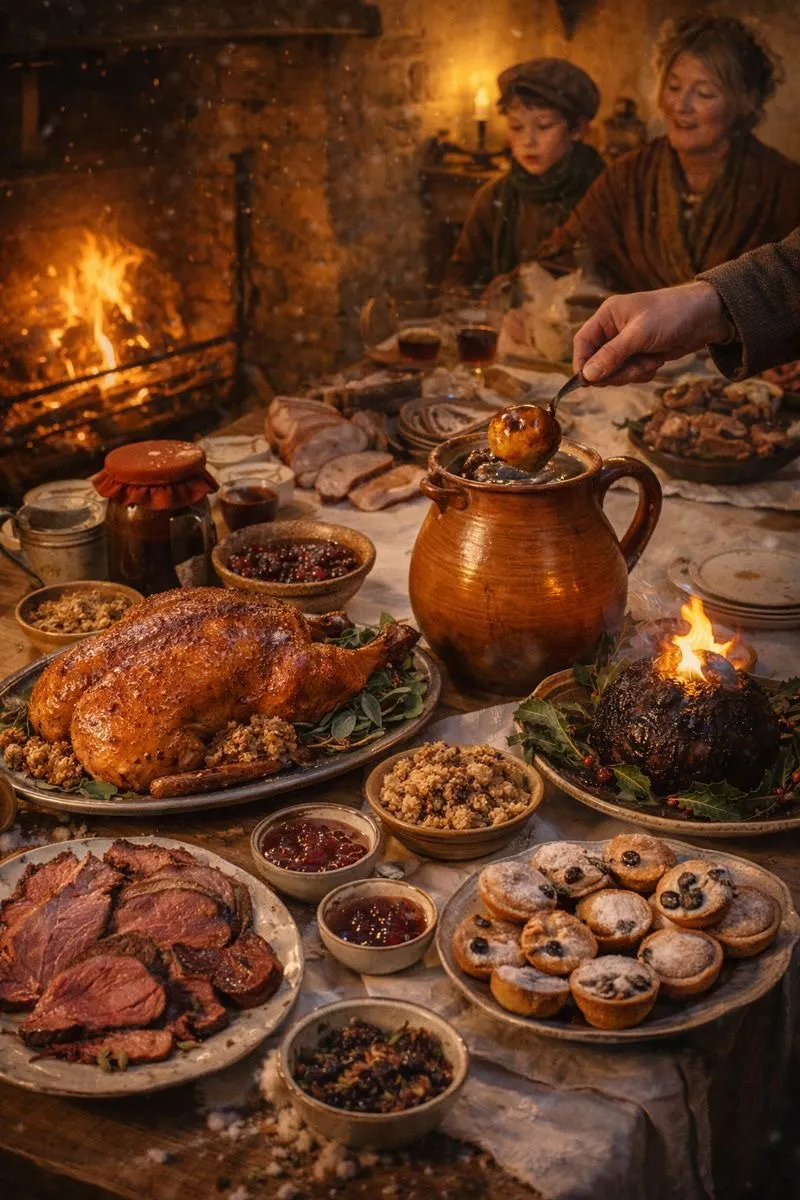
A big hearty roast still took centre stage as the customary food and drink consumed over the festive period. Traditional fayre for Christmas Day was goose with stuffing, beef and crab apple jelly, plum pudding and mince pies. Boxing Day it was cold Christmas dinner, along with jugged hare and red currant jelly. It would have been home grown, raised on the farm or foraged from the hedgerows, and no doubt a lot better for us than the over processed kind of thing that makes its way from the supermarket shelves to our Boxing Day buffet these days!
The favourite West Country Christmas tipple was Lambs Wool - warm ale made into a sort of stew with roasted apples and whatever spices were to hand. On Christmas morning each member of the household took out one of the apples to eat, and then drank some of the flavoured ale.
Bizarre or What?
Yep, some of those old traditions are a bit, err, odd, to say the least, but it’s part of our West Country heritage. Nowadays we’re wise enough to know that some of it is laughable, based only on superstition; other aspects are actually rather lovely and it’s good to keep certain customs alive. And besides, a load of people swimming in the freezing cold sea on Christmas or Boxing Day morning? A bunch of folk dressed up as Santa going for a run? Someone somewhere might think that’s a little crazy!
Happy Christmas everyone!